I made a thing tonight.

Still life of a fall by Kyle R. Conway is licensed under CC BY 4.0


PyOhio took place today. You can see the abstract I presented here, but the final video is embedded below. It was a great event and all the videos are up now on the PyOhio page.
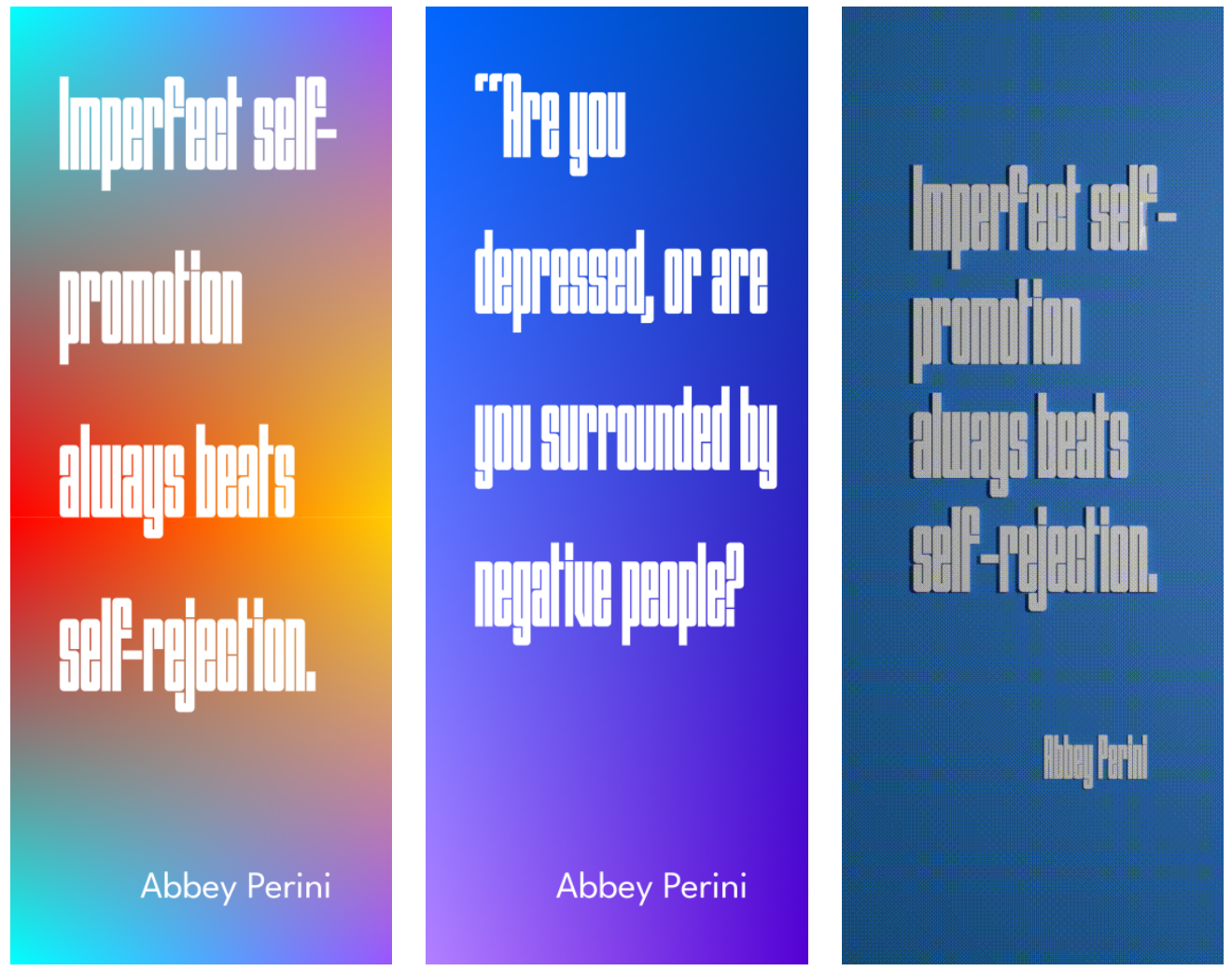



VirtualCoffee had a great Brownbag talk this morning called How to Promote Yourself to Potential Employers by Abbey Perini. I suspect it will be posted at some point because it was recorded, but there were a number of stellar quotes and I decided to quickly mock up a few of them in Inkscape (initially) and then eventually put one into Blender as well (for fun).
![How to draw a circle!!! [EASY BEGINNER TUTORIAL]](https://test.kylerconway.com/wp-content/uploads/2021/04/circle-1568x757.png)
https://www.pyohio.org/2021/program/speakers/kyle-r-conway
Everyone knows that writing code making art is easy! There are so many free resources available on the internet that becoming a programmer an artist has never been easier! In this talk I’ll demo several ways to make a todo list draw a circle! We’ll go through a variety of mediums to get you up-to-speed with new languages and frameworks mediums and methods in no time like:
By the end of this talk you’ll be more confident than ever (and not at all overwhelmed!) by the prospect of how easy it is to become a programmer an artist in 2021!
Kyle R. Conway has a PhD in Fine Arts, an MA in Theater, and experience at successful startup/incubators. He is a 10+ year Linux Desktop user (by choice) and Fedora Linux contributor. He likes tea.
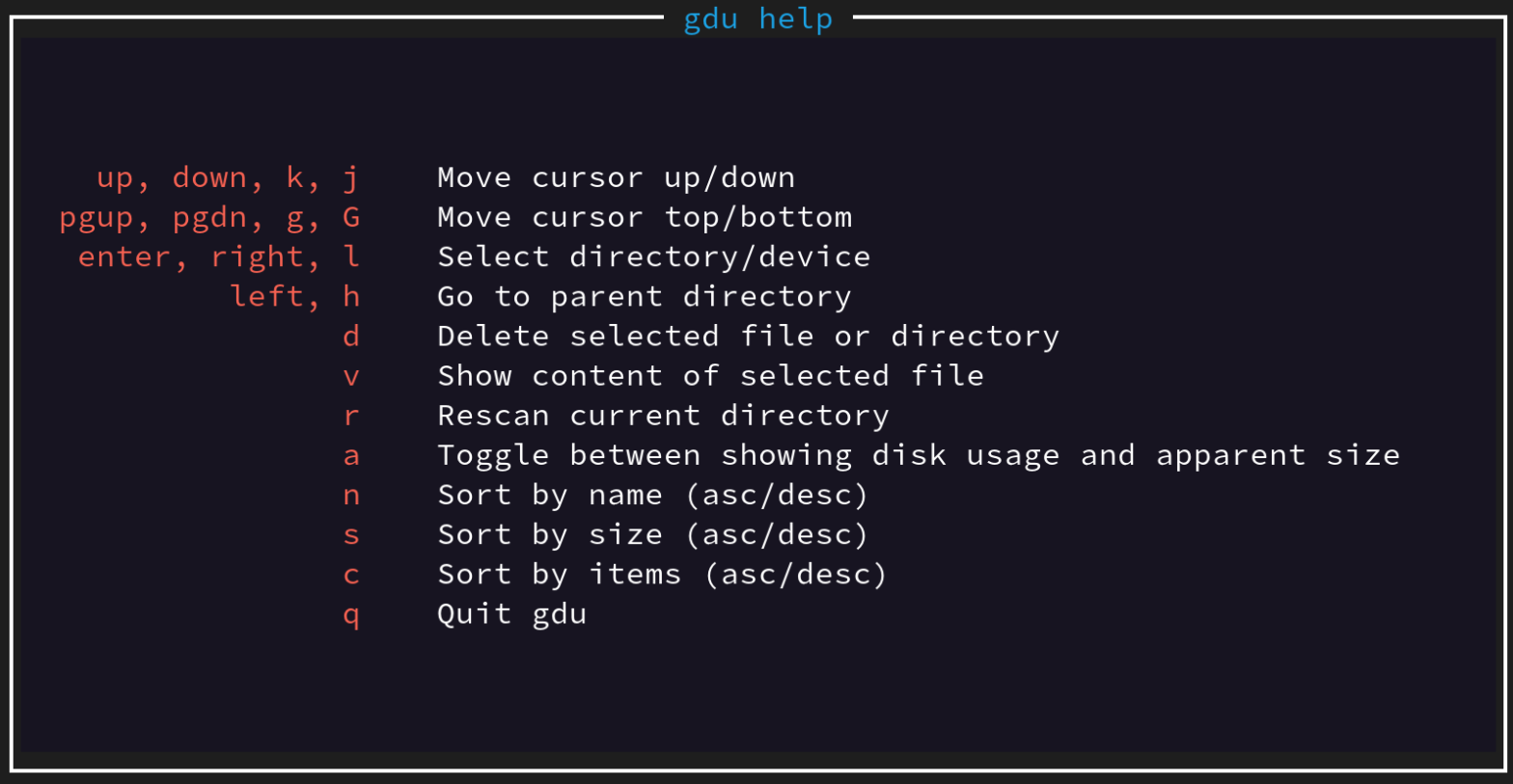
I’m a long-term ncdu user, but I recently discovered gdu which is much faster. This isn’t to say ncdu is bad or undesirable anymore, but for most cases I’ll be replacing ncdu with gdu moving forward for the speed advances alone.
If you haven’t seen either of these tools I suggest you check them out. They’re fantastic for quickly identifying directories and files that are taking up the most space on your hard disks via the command line in a more visual way that makes it easy to both find and delete unneeded files and directories.

You can navigate into and out of sub-directories that are also calculated and use keyboard shortcuts for all relevant actions.
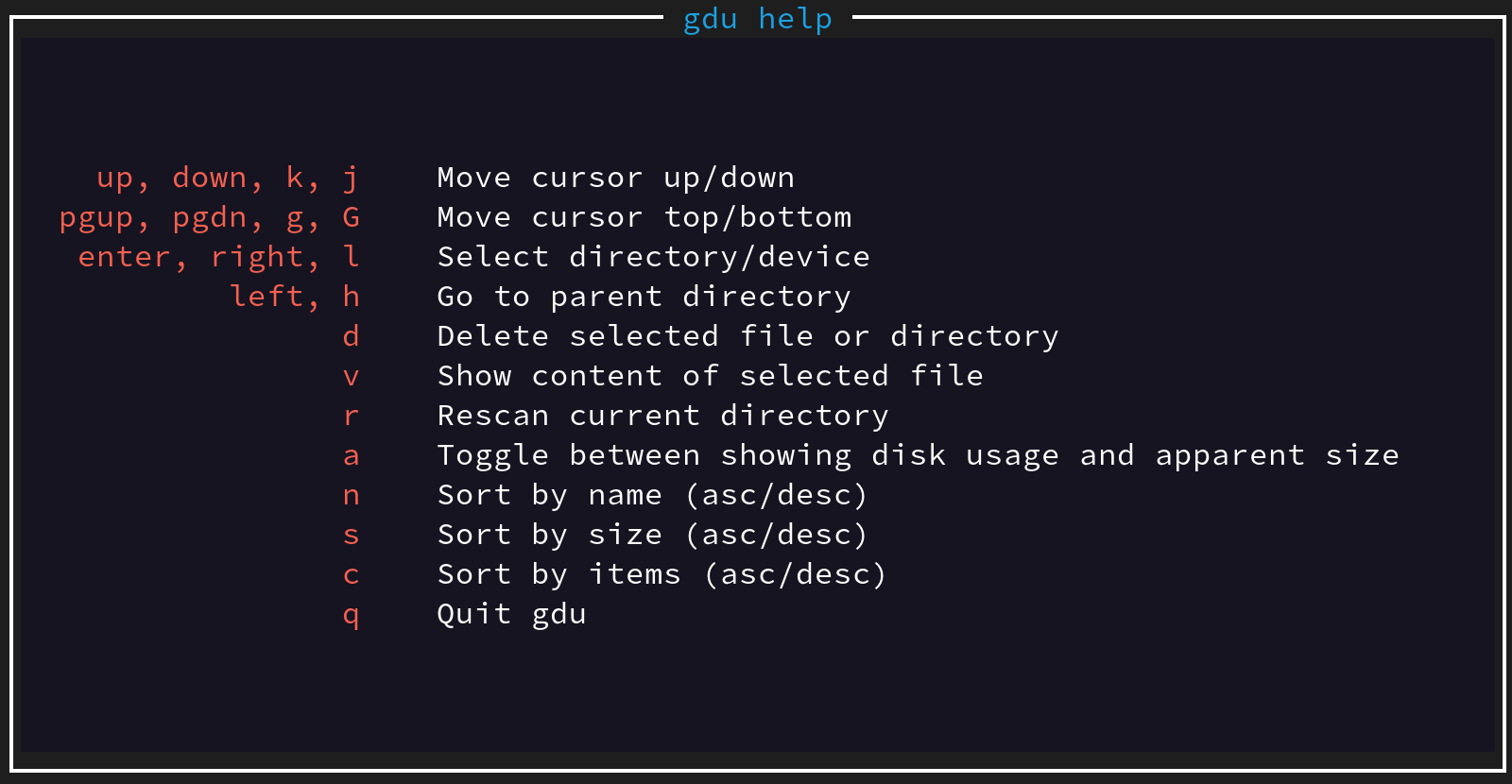
I’ve shown gdu here because I’m newly enamored by it, but ncdu still has more features even though it is truly slower.
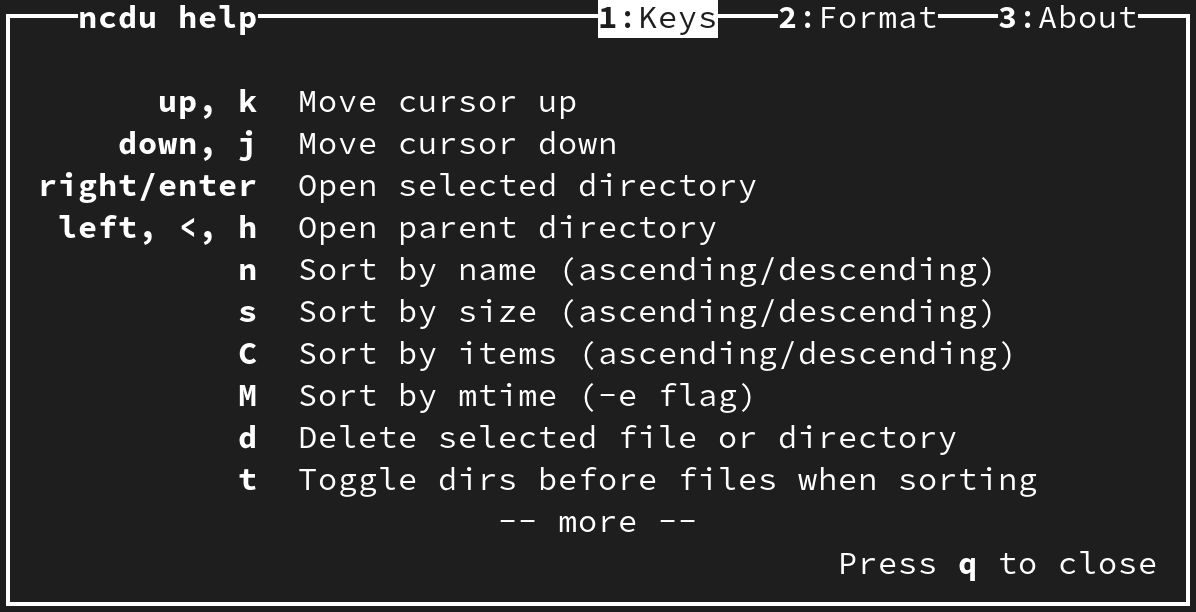
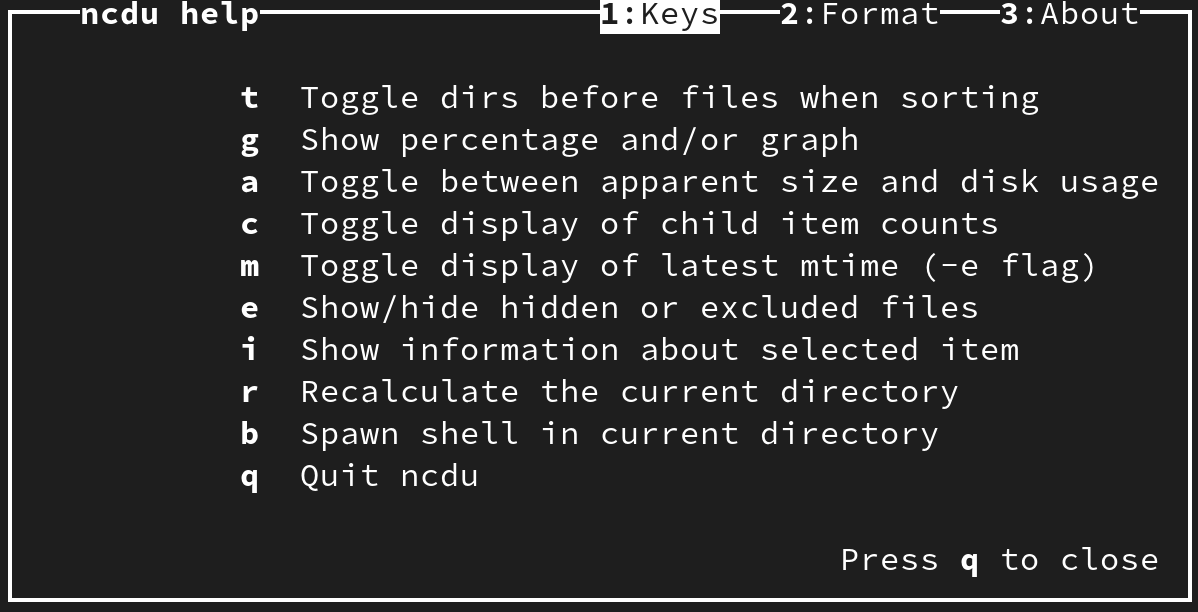
At any rate, these are both highly recommended applications. I’ve used them on local computers, remote computers via ssh, mounted drives locally (nfs, smb, etc) and on Linux and BSD. I’m currently using this on TrueNAS Core (FreeBSD) and TrueNAS SCALE (Linux) to generally sort out some erroneous backup strategies I tried over the years.
Bottom line: highly recommended.

What happens when you just get frustrated and buy an old server on ebay? Well… I don’t know yet because at the moment I’m checking the RAM with memtester on a System Rescue CD running off of a bootable USB drive. What I do know is that this computer has 64G of ECC RAM, 2 Intel xeon processors with a combined 24 cores, and 8 3.5″ drive bays.
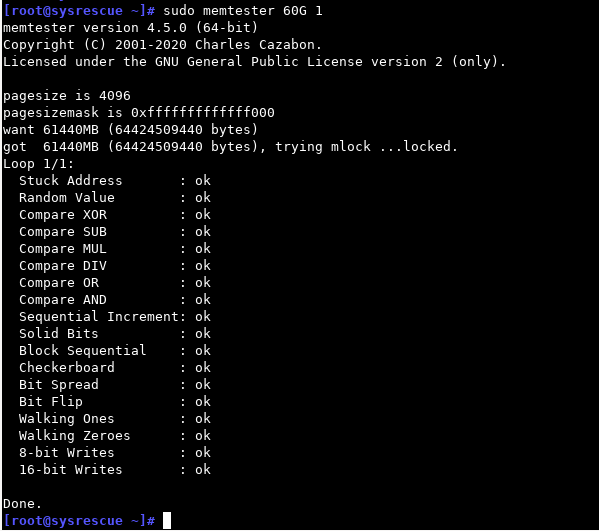
After generally confirming the memory was working as intended I ran a CPU stress test for an hour or so a few times. Watching all 24 cores light up in htop was thrilling.
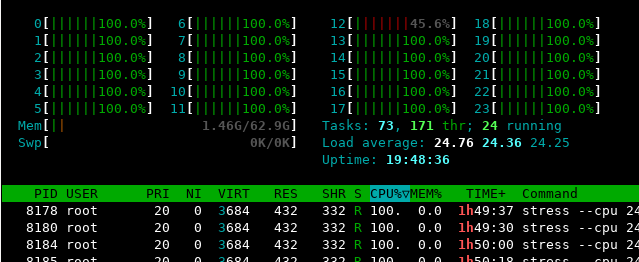
My general plan here is to consolidate other computers that were providing FreeNAS (now TrueNAS), XCP-ng, and other functions into a single unit using the now alpha―should I be scared?―TrueNAS Scale. I’m not switching because TrueNAS is lacking in general as a NAS because it’s been great. It’s just that the VM solution, bhyve, is both not what I’m familiar with and seems generally less good for the virtualization I do. Additionally, TrueNAS is based on BSD, and while BSD is great, I’m far more experienced with Linux having used it for 10 years, and Scale is:
Basically, it should allow me to consolidate:
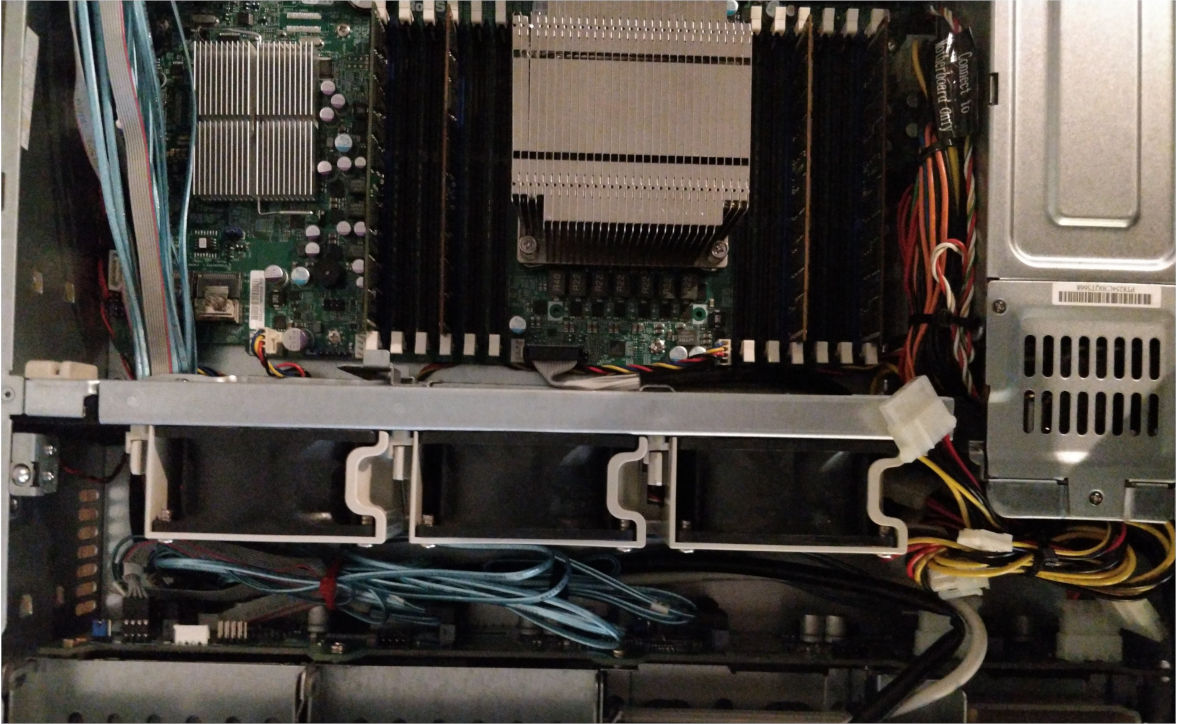
I’m have some trepidation about using the alpha TrueNAS Scale on this system that I actually intend to use for real, but I’ve also been very very interested in using this particular iteration of the Free and Open Source project TrueNAS since I heard about it sometime last year (or was it 2019?―what actually is time?).
Since I started writing this post I’ve:
I’m not sure exactly when I’m going to fully fully commit to moving all of my day-to-day data over to the new machine (need to add non-test disks for non-test pools), but I suspect in the coming weeks I’ll gain an amount of trust to do so. The release notes indicate a certain stability in many of the elements independently (though when you bring things together who knows), but it looks good.
I’ll likely update here as I encounter problems or move additional items to the server.
Ubuntu server has a nice installation up-front that allows you to pre-select some tools and services at install you might want to have running on your new server.
If you happen to select Wekan it will default to port 8080.
If you then happen to want to install Jenkins via their Debian/Ubuntu method it will fail to fully install at the `sudo apt-get install jenkins` section due to the port 8080 already being occupied.
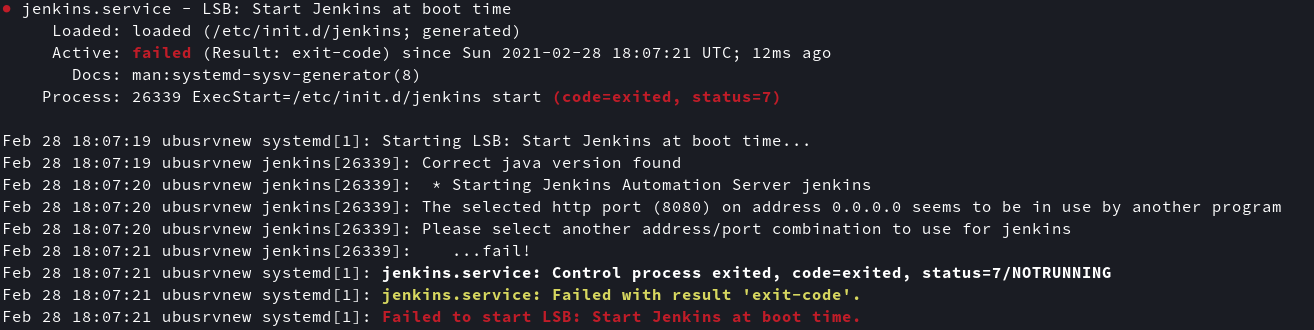
After running the above command you can edit port in the following file:
sudo nano /etc/default/jenkinsEdit the numbers of the identified port to something other than “8080”
# port for HTTP connector (default 8080; disable with -1)
HTTP_PORT=8090
You can see a video here: https://youtu.be/XVei-AeXLLo

This time around I was a late adopter (very late) and only recently upgraded my laptop to Fedora 32. It’s great to install a free and open OS and see a wallpaper you worked on greeting you (as I did with Fedora 32). I was involved in creating the Fedora 26 wallpaper as well which featured a treeline that followed a sound wave of my voice saying the word “Fedora.”
I was recently able to attend the Nest with Fedora event (an online, from home, mid-pandemic version of Flock that was wonderful as I was able to “meet” many of the screen names I’d seen in forum posts and email lists for years.
Fedora’s design process is open but not many find their way to the ticket thread to follow along (here’s a link the above wallpaper’s thread). I figured I’d share some of the other angles and shades of the above that I had been using as my background until my recent upgrade―initially for testing but then they just kind of stuck. They’re much too dark for a default Fedora release, but I figured I’d share them here. My favorite is the lone object, floating in the void.
Lastly, if you want to get involved on the next wallpapers check out the discussions about Fedora 33 and Fedora 34 on pagure at the links.




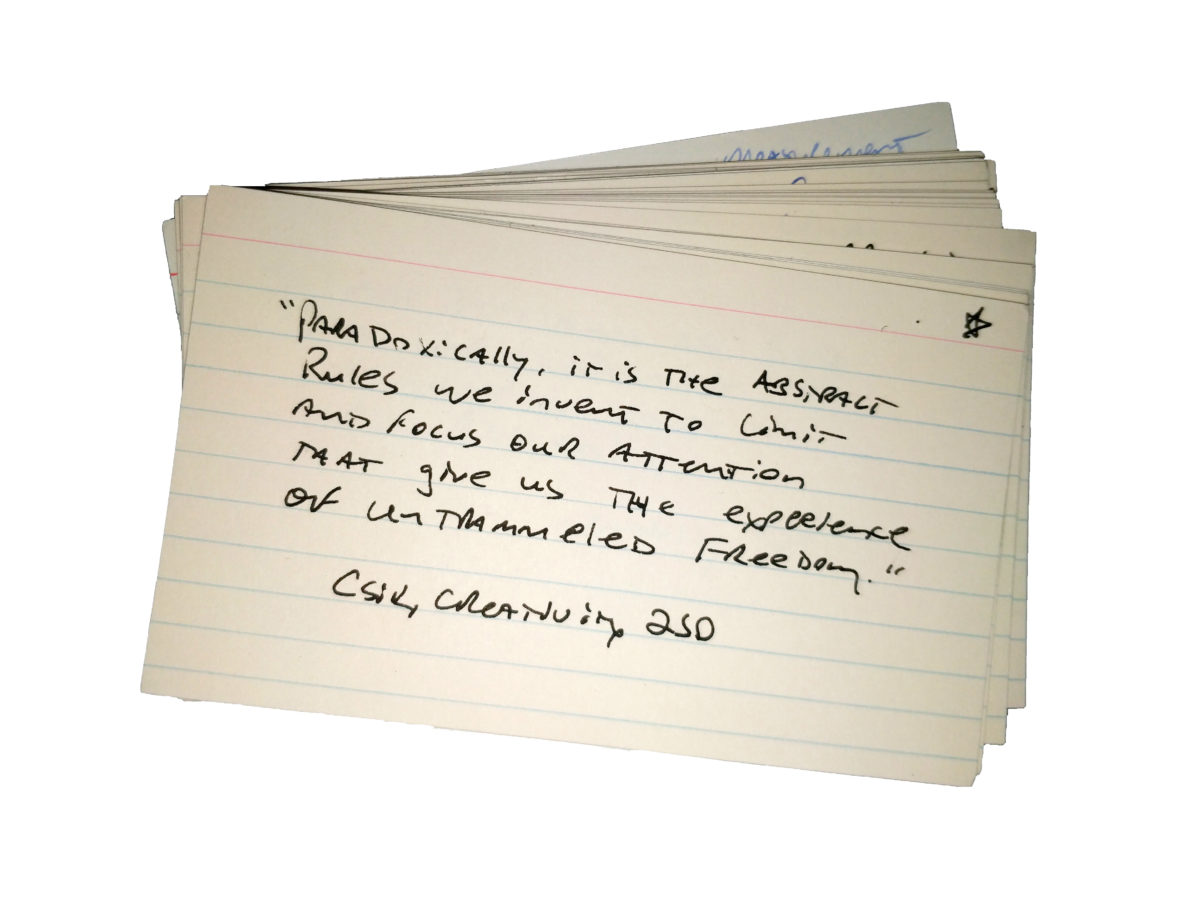
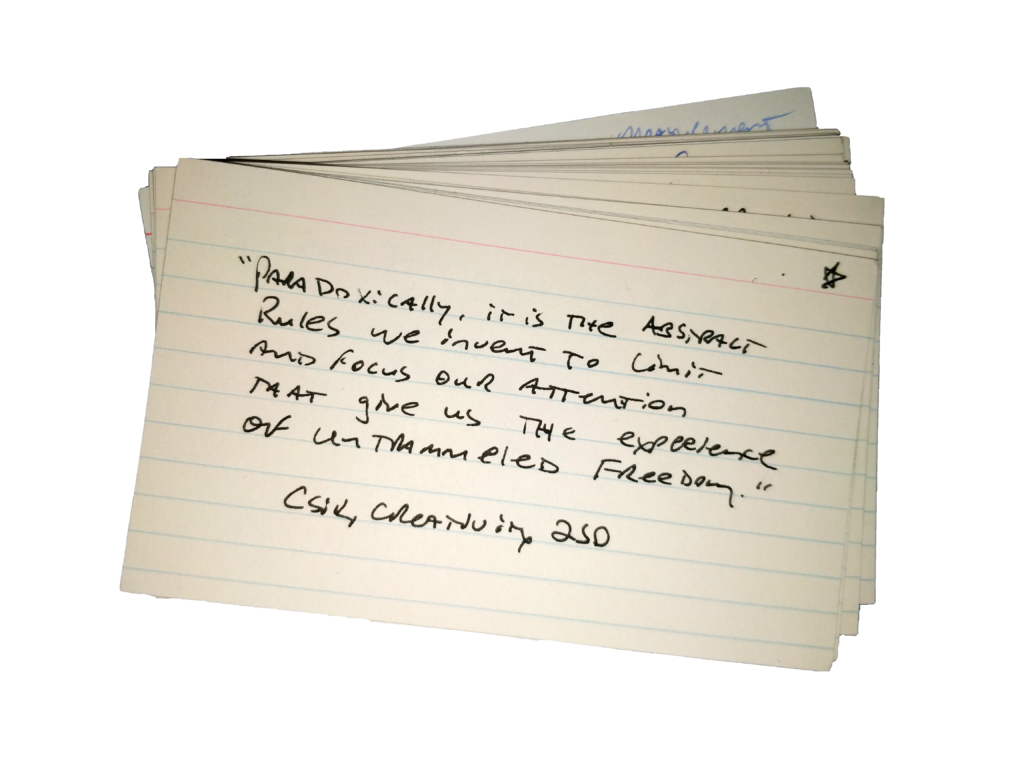
I’ve been cleaning up some items and came across a series of index cards I was using for note-taking during my doctoral dissertation. This one is on the subject of creativity, freedom, attention, and rules.
While this was a preferred method of mine years ago I’ve since migrated to Emacs’ org-mode. I happily typed these in and can say goodbye to the cards themselves and more formally the process.
At any rate, I have some older quotes in a more quickly parsable medium now. I may revisit some of the great ideas in that book in the future here or elsewhere. Mostly I am writing this to say: once I took notes like this. Future self, do you remember this?
# MagPi Issue Downloader

## Import
import urllib.request
import shutil
import requests
import os
from bs4 import BeautifulSoup

# Identify URL to parse
url = 'https://www.raspberrypi.org/magpi-issues/'

# soup it
Link = requests.get(url)
soup = BeautifulSoup(Link.content,"html5lib")

# get all link tags
tags = soup('a')

# loop tags
for hlink in tags:

	# create variable for full url
	issue = hlink.get('href', None)

	# only follow hlinks with PDF in the url
	if 'pdf' in issue:

		# download files with wget to current directory
		print("Downloading: " + issue)
		issue_link = url + issue
		os.system('wget %s'%issue_link)
I’ve been playing around with other blogging platforms for a while now… Ghost, Hugo, Django, and others. Is WordPress what I continue to use? Something else? I wish this wasn’t such a struggle, but I’m keenly aware of what drives this indecision.
I am, first and foremost, driven by a nostalgia for a time I remember more than participated in, where websites were closer to https://motherfuckingwebsite.com/, devoid of most types of styling and thus:
It’s not particularly mysterious why these things appeal. However, they’re simultaneously conflicting with the following.
I’m a sucker for good design. You’ll note that this is mostly in direct opposition to the simple, text-based, monospaced font aesthetic in #1. Yes, I have a couple advanced degrees in art. Yes, I’ve worked in marketing and design for a number of years. Yes, I care about how things look and my eyes are drawn toward minimalistic, but chic, so-called content.
*le sigh*
I actually find it great fun to play around with other platforms and I find myself doing this frequently. It’s honestly one of the reasons I ended up finally getting a domain and a shared hosting server. I like messing about with things to learn new things.


A selection of some of the many site platforms I’ve setup and used to write on in the interest of good-old-fashioned curiosity and general interest.
And so, wordpress just updated it’s blogging platform and this somewhat older site got upgraded is well. It’s substantially more pleasant to write in than the previous iteration―but it lacks the simplicity of something like Hugo (especially if I were to set it up to use emacs’ org-mode as the base as I’ve been planning). We’re not there yet.
For the moment I’m going to ignore this inner conflict about what to use as a platform. Perhaps that will allow me to focus on the projects themselves. At any rate, if you’re interested in checking out what I’ve written at those other projects do click the images above to visit wholly different pages.
In in 1993, when Mike Goodwin originally wrote this essay, I was a very young boy and I find it startling how similar the arguments are for encryption with respect to constitutional considerations 25 years later. My thanks to the people who fought the first crypto Wars.
For a very long time (I’m guessing ~10 years) I’ve had a blurb on the playscript section of my various websites saying:
“Rainfall” (Coming Soon!)
Now it has. Read it here.
It’s a slow play. It was produced when I was in undergrad.